


by William Boyd · Penguin · libro de bolsillo · ISBN 9780140231717

VAT included




Hamelyn quality guarantee · checked and verified, or your money back


«A Good Man in Africa» is the contemporary fiction novel by William Boyd, published by Penguin in paperback (320 pages, in English).
It recounts the misadventures of Morgan Leafy, a British diplomat in the small African nation of Kinjanja, whose professional and romantic aspirations clash with better-connected colleagues, blackmail and local political chaos. Boyd combines black comedy, corruption, uprisings and love entanglements in a satire of the British diplomatic world in Africa.
Novel originally published in 1981, winner of the Whitbread Award and the Somerset Maugham Award. This 1994 edition is a movie tie-in, published to coincide with the cinematic adaptation.
For readers of contemporary fiction with satirical humor and for followers of William Boyd or of narrative set in Africa.


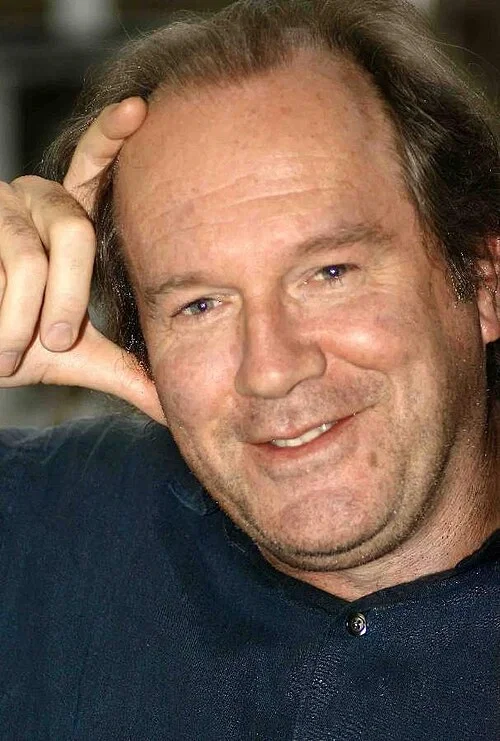
William Andrew Murray Boyd is a British novelist, short story writer screenwriter and film director. He is best known for his novels, which include A Good Man in Africa (1981), Any Human Heart (2002), and Restless (2006), many of which have received critical acclaim and literary awards. Boyd has also written screenplays for film and television, including Chaplin (1992), and directed the World War I drama The Trench (1999). His work is characterised by its narrative vitality and range, earning him numerous accolades including the Whitbread First Novel Award, the James Tait Black Memorial Prize, and the Costa Book Award. A number of his works are what he describes as "whole-life" novels which follow a protagonist through the highs and lows of a varied and often remarkable life. He regularly fuses fact with fiction and his lead characters encounter well-known historical figures. He was appointed Commander of the Order of the British Empire in 2005 for services to literature. John Self, writing for The Booker Prizes, described Boyd’s work as “vigorous, entertaining novels” produced by an “exceptionally fertile imagination,” and praised his fiction as “fully committed to his stories and characters.”


