
Buy 3, pay for 2 — use code TRIPLEUS at checkout.

Hand-checked
Free SHIPPING
Second life
Las coéforas
by Esquilo · Ediciones Clásicas · tapa blanda · 72 pages
6 people viewing thisViewed 4 times
4.6
Pages: 72 pagesAuthor: EsquiloPublisher: Ediciones ClásicasFormat: tapa blandaLanguage: es-ESRelease date: 1/3/2000ISBN: ISBN 9788478824021
Choose the condition
What each condition includes
Acceptable — heavy use; complete and functionalVisible marks on cover. Complete, intact content and inspected.
Good — clearly used but complete and fully usableLight marks on cover. Clean pages and spine in good shape.
Very Good — minimal, barely noticeable wearBarely noticeable marks. Pristine interior. Almost no signs of use.
Like New — no visible signs of useNo visible marks. Cover, spine and pages flawless.
New — sealed / brand newBrand-new book, unused. Ordered directly from the publisher.
New condition items ship with free shipping on orders from $15. All other conditions always include free shipping with no minimum order.
* All our products are carefully inspected to support sustainable culture.
Hamelyn quality guarantee
Every product is inspected, cleaned and verified before shipping. If it's not what you expected, we'll refund your money.
Complete your 3-for-2 with Esquilo
Add 3 and the cheapest one is freeTragedias
$32.78
Los persas
$17.10
Agamenón
$16.87
Agamenón
$16.87
Synopsis of Las coéforas
Las Coéforas es una tragedia griega escrita por Esquilo, que forma parte de la trilogía de la Orestíada. Esta edición, publicada por Ediciones Clásicas, presenta una versión de Francisco Expósito Sánchez y Francisco Palencia Cortés. La obra narra la historia de venganza de Orestes y su hermana Electra tras el asesinato de su padre Agamenón a manos de Clitemnestra y su amante Egisto. La tragedia explora el conflicto entre los imperativos divinos y la voluntad humana, un tema recurrente en la obra de Esquilo.
More titles for fans of Esquilo
Recommended by JuliaAbout the author

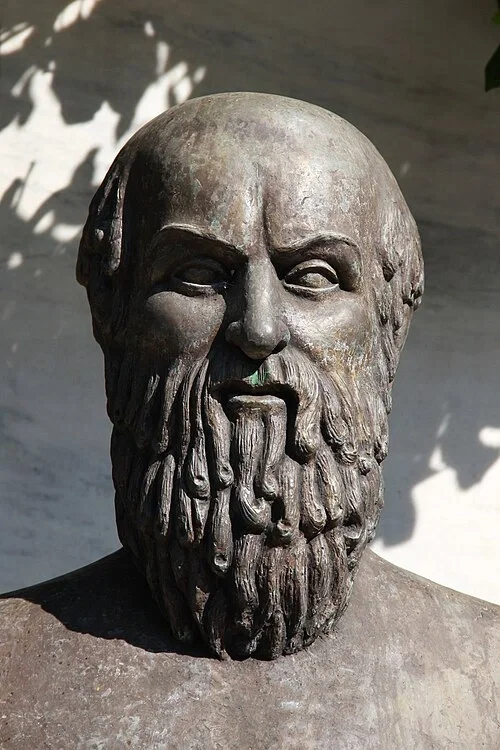
Aeschylus
Aeschylus was an ancient Greek tragedian, often described as the father of tragedy. Academic knowledge of the genre begins with his work, and understanding of earlier Greek tragedy is largely based on inferences made from reading his surviving plays. According to Aristotle, he expanded the number of characters in the theatre and allowed conflict among them. Formerly, characters interacted only with the chorus.
-052–-0451032 titles published
View full profileBest-selling books in Classics
Best sellersTake 3, pay for only 2 · TRIPLEUS
-
VAT included