


by Roger Ebert · EDICIONES ROBINBOOK, S.L. · tapa blanda · ISBN 9788415256205

VAT included


Hamelyn quality guarantee · checked and verified, or your money back
Dive into the fascinating world of cinema with 'Movies You Should Never See', a work by the renowned critic Roger Ebert. In this book, Ebert masterfully dissects those films that, due to their scripts, performances or direction, have gone down in history as examples of what should not be done in the seventh art. With an incisive style and biting humor, the author analyzes the errors and blunders of these productions, offering the reader a unique and entertaining perspective on cinema. Discover why these films are considered 'bad' and, who knows, maybe you will be encouraged to see them after reading this book.


Tapa dura

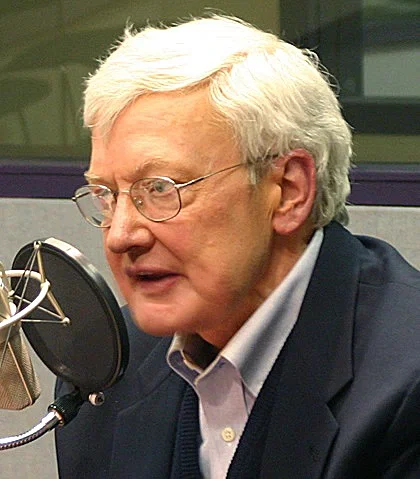
Roger Joseph Ebert was an American film critic, film historian, essayist, screenwriter and author. He wrote for the Chicago Sun-Times from 1967 until his death in 2013. Ebert was known for his intimate, Midwestern writing style and critical views informed by values of populism and humanism. Writing in a prose style intended to be entertaining and direct, he made sophisticated cinematic and analytical ideas more accessible to non-specialist audiences. Ebert endorsed foreign and independent films he believed would be appreciated by mainstream viewers, championing filmmakers like Werner Herzog, Errol Morris and Spike Lee, as well as Martin Scorsese, whose first published review he wrote. In 1975, Ebert became the first film critic to win the Pulitzer Prize for Criticism. Neil Steinberg of the Chicago Sun-Times said Ebert "was without question the nation's most prominent and influential film critic", and Kenneth Turan of the Los Angeles Times called him "the best-known film critic in America". Per The New York Times, "The force and grace of his opinions propelled film criticism into the mainstream of American culture. Not only did he advise moviegoers about what to see, but also how to think about what they saw."


Tapa blanda


